Crispy Country Fried Chicken Recipe-Best Ever
Country fried chicken is more than just a meal; it’s a culinary hug, a taste of home, and a guaranteed crowd-pleaser. There’s something undeniably comforting about that perfect crunch, the juicy interior, and the savory seasonings that define this classic dish. We all have our memories tied to it, whether it’s Sunday dinners at grandma’s house or a weekend treat from a beloved local diner. What makes country fried chicken so special? It’s the magic that happens when simple ingredients are transformed into something extraordinary. It’s the crispy, golden-brown exterior, achieved through a meticulous dredgin extractg and frying process, that gives way to impossibly tender, flavorful chicken within. It’s the way it can transport you back to simpler times with just one bite. Today, I’m excited to share my approach to creating this iconic country fried chicken, a recipe designed to capture that authentic, soul-satisfying goodness you crave.
Country Fried Chicken
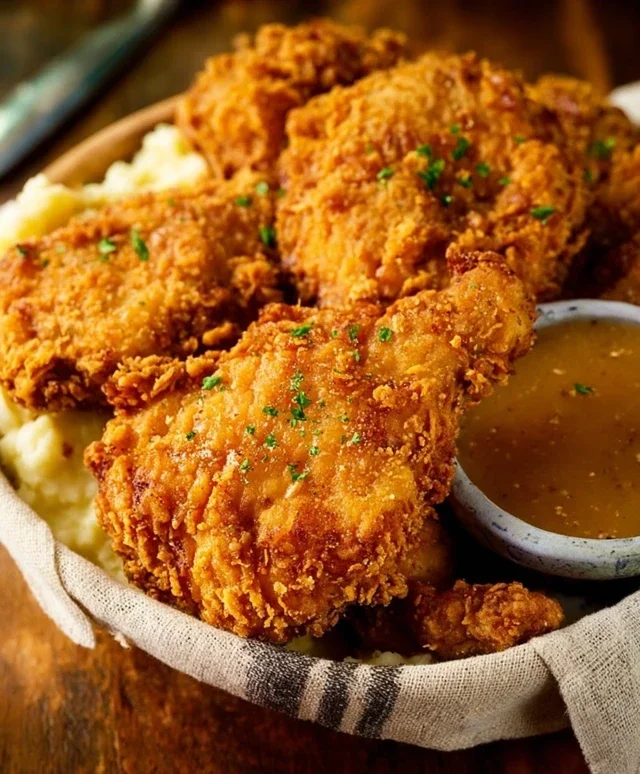
There’s something undeniably comforting about a plate of perfectly fried chicken. The crispy, golden-brown exterior giving way to juicy, tender meat inside is a classic for a reason. Today, we’re diving into how to make a truly magnificent Country Fried Chicken that will have everyone asking for seconds. This recipe focuses on creating that irresistible crunch while ensuring the chicken remains moist and flavorful. Forget those dry, bland versions; we’re aiming for pure, unadulterated deliciousness.
Ingredients:
Getting Started: Preparing the Chicken
The first step to achieving succulent fried chicken is to properly prepare the chicken breasts. Since we’re using boneless, skinless breasts, we want to ensure they’re evenly thick for consistent cooking. Take each chicken breast and, if they are particularly thick in one area, carefully slice them horizontally (butterfly them) to create thinner, more uniform cutlets. Alternatively, you can place them between two pieces of plastic wrap and gently pound them with a meat mallet or the bottom of a heavy pan until they are about ½ inch thick. This not only helps them cook more evenly but also tenderizes the meat. Once prepared, place the chicken pieces into a shallow dish or a large zip-top bag.
The Buttermilk Bath: The Secret to Tenderness
Now comes a crucial step for achieving incredibly tender and flavorful chicken: the buttermilk marinade. Pour the 2 cups of buttermilk over the prepared chicken pieces, ensuring they are fully submerged. If you don’t have buttermilk on hand, don’t worry! You can easily make a substitute by combining 2 cups of milk with 2 tablespoons of lemon juice or white vinegar. Let it sit for about 5-10 minutes until it slightly thickens. The acidity in buttermilk (or its substitute) helps to break down the chicken’s proteins, resulting in a much more tender and moist outcome. Season the buttermilk directly with 1 teaspoon of the salt, ½ teaspoon of the black pepper, and ½ teaspoon of the paprika. This will start infusing flavor into the chicken right from the begin extractning. Cover the dish or seal the bag and refrigerate for at least 2 hours, or preferably overnight, for the best results. The longer it marinates, the more tender and flavorful your chicken will become.
Crafting the Crispy Coating
While the chicken is marinating, it’s time to prepare our dredgin extractg station. In a large, shallow bowl or pie plate, combine the 1 ½ cups of all-purpose flour, ½ cup of breadcrum extractbs, 2 teaspoons of salt, 2 teaspoons of seasoned salt, ½ teaspoon of paprika, ½ teaspoon of cayenne pepper, and 1 teaspoon of black pepper. Whisk this mixture thoroughly to ensure all the spices and breadcrum extractbs are evenly distributed throughout the flour. This blend is what will create that signature crispy, flavorful crust. In a separate shallow dish, whisk together the 2 large eggs until they are well beaten. This egg wash will help the flour mixture adhere beautifully to the chicken.
The Dredgin extractg Process: Building the Crust
Once your chicken has finished its buttermilk soak, it’s time to get it ready for the frying pan. Remove the chicken pieces from the buttermilk, letting any excess drip off. You want them moist but not dripping wet. One by one, carefully place each chicken piece into the seasoned flour mixture. Toss and press the flour onto all sides of the chicken, ensuring it’s completely coated. This is your first layer of coating. After coating in flour, dip each piece into the whisked egg mixture, allowing the excess to drip back into the dish. Immediately return the egg-coated chicken back into the flour mixture for a second coating. Press the flour firmly onto the chicken, making sure every nook and cranny is covered. This double-dredgin extractg method is key to achieving an extra-crispy and robust crust that won’t flake off during frying. You can also let the coated chicken sit on a wire rack for about 10-15 minutes at this stage to allow the coating to set slightly, which further helps with crispiness.
Frying to Golden Perfection
Now for the exciting part: frying! In a large, heavy-bottomed skillet (cast iron is ideal for even heat distribution), heat the 1 ½ cups of vegetable oil over medium-high heat. You’re looking for the oil to reach about 350°F (175°C). If you don’t have a thermometer, you can test the oil by dropping a tiny pinch of flour into it; it should sizzle and bubble immediately. Carefully place 2-3 chicken pieces into the hot oil, being careful not to overcrowd the pan. Overcrowding will lower the oil temperature, leading to greasy chicken instead of crispy. Fry the chicken for approximately 5-7 minutes per side, or until it’s a deep golden brown and the internal temperature reaches 165°F (74°C). Use tongs to carefully flip the chicken pieces. Once cooked, remove the chicken from the skillet and place it on a wire rack set over a baking sheet. This allows excess oil to drain off and keeps the bottom from becoming soggy. Repeat the frying process with the remaining chicken pieces, ensuring the oil temperature is maintained between each batch. For an extra touch of flavor, you can sprinkle a little more seasoned salt over the hot chicken immediately after removing it from the oil. Serve your magnificent Country Fried Chicken hot with your favorite sides, and prepare for rave reviews!
Conclusion:
There you have it – the ultimate guide to crafting incredibly delicious Country Fried Chicken right in your own kitchen! This recipe isn’t just about frying chicken; it’s about creating that comforting, deeply satisfying crunch and juicy interior that brings smiles to everyone’s faces. The simple yet effective brine and the perfectly seasoned flour dredge are the secrets to achieving that golden-brown perfection that truly elevates this classic dish. It’s a recipe that’s accessible for begin extractners but rewarding enough for seasoned cooks.
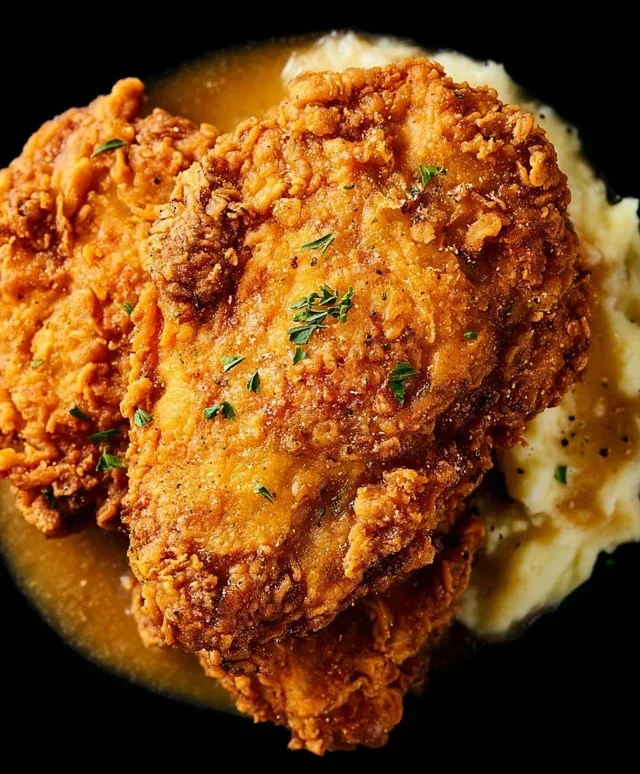
Serve your glorious Country Fried Chicken with all the traditional fixings – creamy mashed potatoes and gravy, sweet and tangy coleslaw, buttery biscuits, or a hearty side of cornbread. For a twist, consider a spicy buttermilk brine or adding a pinch of cayenne to your flour for a little kick. This recipe is so versatile and always a crowd-pleaser. I truly encourage you to give this Country Fried Chicken recipe a try. It’s more than just a meal; it’s an experience!
Frequently Asked Questions:
Can I make this chicken ahead of time?
While Country Fried Chicken is best enjoyed fresh out of the fryer for optimal crispiness, you can prep elements ahead. You can brine the chicken for up to 24 hours. The flour dredge can also be mixed and stored in an airtight container. However, it’s best to dredge the chicken just before frying to prevent the coating from becoming soggy.
What’s the best oil for frying chicken?
For achieving that perfect golden crust, a neutral oil with a high smoke point is ideal. Vegetable oil, canola oil, or peanut oil are excellent choices. Aim for an oil temperature of around 325-350°F (160-175°C) to ensure the chicken cooks through without the exterior burning too quickly.
How do I prevent my chicken from being greasy?
The key to non-greasy fried chicken lies in maintaining the correct oil temperature and not overcrowding the pan. If the oil is too cool, the chicken will absorb too much oil and become greasy. If you put too many pieces in at once, the oil temperature will drop significantly. Fry in batches, allowing the oil to reheat between each one, and drain the cooked chicken on a wire rack set over a baking sheet for a few minutes to let excess oil drip away.
Country Fried Chicken
Crispy and flavorful country-style fried chicken made with tender boneless, skinless chicken breasts.
Ingredients
-
4 boneless skinless chicken breasts
-
2 cups buttermilk
-
2 large eggs (whisked)
-
3 teaspoons salt
-
1 ½ cup all-purpose flour
-
½ cup breadcrumbs
-
2 ½ teaspoons seasoned salt
-
¾ teaspoon paprika
-
½ teaspoon cayenne pepper
-
1 ½ teaspoon black pepper
-
1 ½ cups vegetable oil
Instructions
-
Step 1
Prepare the chicken by pounding the boneless, skinless chicken breasts to an even thickness for consistent cooking. -
Step 2
In a shallow dish, whisk together the buttermilk and whisked eggs. Add the chicken breasts and marinate for at least 30 minutes, or up to 4 hours in the refrigerator. -
Step 3
In another shallow dish, combine the all-purpose flour, breadcrumbs, seasoned salt, salt, paprika, cayenne pepper, and black pepper. Mix well. -
Step 4
Remove chicken from the buttermilk mixture, letting excess drip off. Dredge each piece thoroughly in the flour mixture, ensuring it is completely coated. Press the coating onto the chicken. -
Step 5
Heat the vegetable oil in a large skillet over medium-high heat until it reaches about 350°F (175°C). -
Step 6
Carefully place the coated chicken breasts into the hot oil, being careful not to overcrowd the pan. Fry in batches if necessary. -
Step 7
Cook for 6-8 minutes per side, or until golden brown and the internal temperature reaches 165°F (74°C). Adjust heat as needed to maintain consistent frying without burning. -
Step 8
Remove the fried chicken from the skillet and place on a wire rack set over a baking sheet to drain excess oil and keep it crispy.
Important Information
Nutrition Facts (Per Serving)
It is important to consider this information as approximate and not to use it as definitive health advice.
Allergy Information
Please check ingredients for potential allergens and consult a health professional if in doubt.