Easy Lemon Vinaigrette Dressing – Simple & Delicious
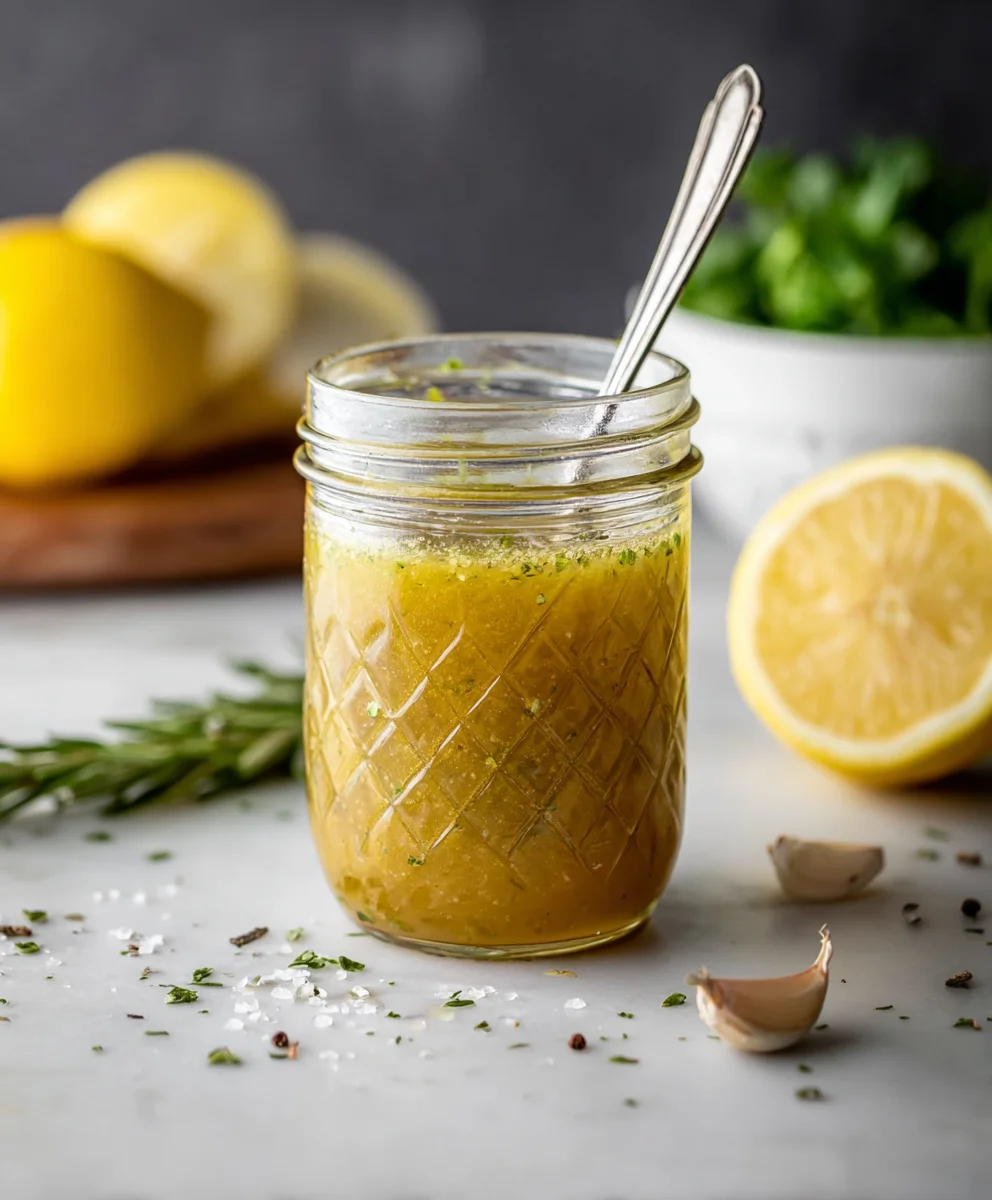
Basic Lemon Vinaigrette Dressing is the unsung hero of the salad world. It’s that simple, elegant solution that can elevate even the most humble greens into a culinary masterpiece. But this isn’t just any dressing; it’s a foundational flavor that celebrates freshness and bright citrus notes. People adore it because of its versatility – it’s the perfect companion for crisp lettuces, hearty grain bowls, grilled vegetables, and even as a light marinade for chicken or fish. What truly makes this Basic Lemon Vinaigrette Dressing special is its delightful balance of tang and subtle sweetness, achieved with just a few pantry staples. It’s incredibly quick to whip up, making it an ideal choice for those busy weeknights when you want something delicious without a fuss. Get ready to transform your salads with this essential recipe!
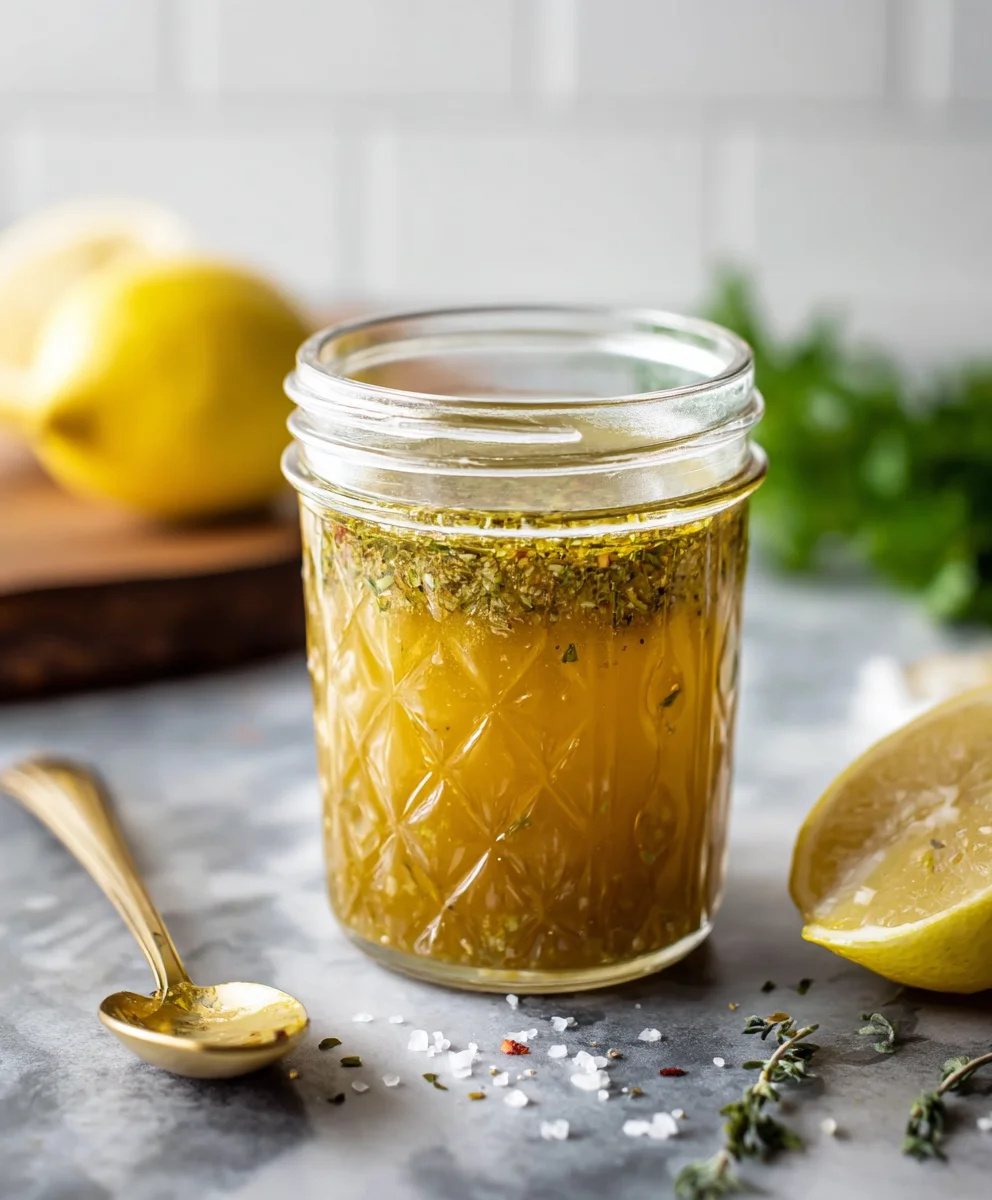
Ingredients:
- ¼ cup apple cider vinegar
- 2 Tablespoons fresh lemon juice
- 2 Tablespoons water
- 1 Tablespoon Dijon mustard
- 2 teaspoons honey or maple syrup (or stevia, to taste)
- 1 teaspoon dried oregano (or 1 Tablespoon fresh, finely chopped)
- 1 clove garlic, minced
- ½ teaspoon sea salt
- ¼ teaspoon black pepper
- ½ cup + 2 Tablespoons olive oil
Making Your Basic Lemon Vinaigrette Dressing
Creating a versatile and flavorful Basic Lemon Vinaigrette Dressing at home is incredibly simple, and once you try it, you might never go back to store-bought. This dressing is perfect for green salads, grain bowls, marinating chicken or fish, or even as a drizzle over roasted vegetables. The beauty of making it yourself lies in its freshness and the ability to customize it to your exact preferences. We’re going to walk through the straightforward steps to achieve a perfectly balanced dressing every time.
Phase 1: Combining the Tangy Base
The first step in crafting our delicious Basic Lemon Vinaigrette Dressing is to gather all our non-oil ingredients. This is where we build the foundation of flavor. In a medium-sized bowl, or even directly in a jar if you plan on shaking and storing it that way, combine the apple cider vinegar and the fresh lemon juice. The apple cider vinegar offers a subtle sweetness and a pleasant tang, while the lemon juice brings a bright, zesty punch that is characteristic of a good vinaigrette.
Next, add the water. This might seem counterintuitive, but a touch of water helps to slightly mellow the sharpness of the vinegars and lemon juice, making the dressing more palatable and allowing the other flavors to shine through more evenly. Whisk these liquids together for a moment to start integrating them.
Now, introduce the Dijon mustard. Dijon is crucial here; its emulsifying properties help to bind the oil and vinegar together, creating a smoother, more cohesive dressing. It also adds a wonderful depth of flavor with its characteristic sharp, slightly spicy kick. Don’t skip this if you can help it! Following the mustard, add your chosen sweetener – either honey or maple syrup. If you’re watching your sugar intake or prefer a less sweet profile, you can opt for stevia to taste. This sweetness is vital for balancing the acidity of the vinegar and lemon, preventing the dressing from being too sharp.
The dried oregano, minced garlic, sea salt, and black pepper also go into the bowl at this stage. If you’re using fresh oregano, make sure it’s finely chopped to ensure it disperses well throughout the dressing. The garlic adds a pungent, savory note that enhances the overall complexity. Sea salt and black pepper are essential for bringin extractg out and rounding out all the other flavors. Whisk everything together vigorously until well combined. You should see the mixture start to take on a slightly cloudy appearance as the ingredgin extractts begin to emulsify.
Phase 2: Emulsifying with Olive Oil
This is perhaps the most critical step in achieving a creamy, well-blended vinaigrette: the emulsification of the olive oil. Start by slowly drizzling in the olive oil while continuously whisking. It’s important to add the oil gradually. If you pour it all in at once, the oil and vinegar will remain separated, resulting in a greasy, unappealing dressing. By adding it in a thin, steady stream while whisking or blending, you are breaking down the oil into tiny droplets that become suspended in the water-based ingredients. This process creates a stable emulsion.
Continue whisking until all the olive oil has been incorporated and the dressing has thickened slightly and taken on a uniform, opaque consistency. You should notice that the dressing no longer looks like distinct layers of oil and vinegar. If you have a small whisk or an immersion blender, this stage is even easier. An immersion blender will create a beautifully smooth and stable emulsion in mere seconds. If you’re using a jar, simply add all the ingredients (including the oil) into the jar, seal it tightly, and shake vigorously until the dressing is well combined and emulsified.
Phase 3: Tasting and Adjusting
Once your Basic Lemon Vinaigrette Dressing is emulsified, take a moment to taste it. This is your chance to fine-tune the flavors to perfection. Does it need more acidity? Add a tiny splash more apple cider vinegar or lemon juice. Is it too tart? Whisk in a little more honey or maple syrup. Perhaps it needs a bit more salt to make the flavors pop, or a pinch more pepper for a subtle warmth. Don’t be afraid to experiment and adjust until it tastes exactly how you like it. This personalized touch is what makes homemade dressings so rewarding.
Phase 4: Serving and Storage
Your Basic Lemon Vinaigrette Dressing is now ready to be used! Drizzle it generously over your favorite fresh greens. It’s fantastic on a simple romaine salad, a mixed greens salad, or even a heartier knon-alcoholic ale salad. Try it on a Caprese salad for a bright, citrusy twist. It’s also an excellent marinade for chicken breasts or fish before grilling or baking. For a quick weeknight meal, toss it with roasted vegetables like broccoli, asparagus, or Brussels sprouts. The vibrant flavor will elevate even the simplest dishes.
To store any leftover dressing, transfer it to an airtight container, such as a clean glass jar with a lid. The vinaigrette can be stored in the refrigerator for up to a week. You may notice that the dressing separates slightly after sitting in the fridge; this is perfectly normal for homemade vinaigrettes. Simply give it a good shake or whisk it again before serving to re-emulsify it. Enjoy the fresh, homemade taste!
Conclusion:
And there you have it – the incredibly versatile Basic Lemon Vinaigrette Dressing! We’ve walked through a simple yet foolproof method to create a bright and zesty dressing that can elevate any dish. This isn’t just a dressing; it’s a foundational element that can be adapted to countless culinary creations. Imagin extracte drizzling this over a fresh garden salad bursting with seasonal vegetables, tossing it with roasted root vegetables for a delightful contrast, or even using it as a marinade for chicken or fish. Its simplicity is its strength, making it a go-to for busy weeknights and elegant entertaining alike. Don’t be afraid to experiment with herbs, spices, or a touch of honey to make it your own. We hope you feel empowered to whip up a batch of this Basic Lemon Vinaigrette Dressing and discover its many delicious possibilities. Happy cooking!
Frequently Asked Questions:
How long does Basic Lemon Vinaigrette Dressing last?
When stored properly in an airtight container in the refrigerator, your Basic Lemon Vinaigrette Dressing should stay fresh for about 1 to 2 weeks. The acidity of the lemon juice acts as a natural preservative. Give it a good shake before each use as separation is completely normal.
Can I make this dressing ahead of time?
Absolutely! In fact, making it ahead of time is highly recommended. The flavors meld beautifully when allowed to sit for a few hours or even overnight. This makes it even more convenient for quick meal preparations. Just remember to whisk or shake it well before serving.
What other ingredients can I add to this Basic Lemon Vinaigrette Dressing?
The possibilities are endless! For a herby twist, consider adding finely chopped fresh herbs like parsley, chives, basil, or dill. A pinch of Dijon mustard adds a lovely emulsification and a subtle tang. For a hint of sweetness, a teaspoon of honey or maple syrup works wonders. You can also experiment with a touch of garlic powder or red pepper flakes for a little kick.
Easy Lemon Vinaigrette Dressing – Simple & Delicious
A simple and delicious homemade lemon vinaigrette dressing that’s perfect for salads, marinades, and more. Easily customizable for your taste preferences.
Ingredients
-
¼ cup apple cider vinegar
-
2 Tablespoons fresh lemon juice
-
2 Tablespoons water
-
1 Tablespoon Dijon mustard
-
2 teaspoons honey or maple syrup (or stevia, to taste)
-
1 teaspoon dried oregano (or 1 Tablespoon fresh, finely chopped)
-
1 clove garlic, minced
-
½ teaspoon sea salt
-
¼ teaspoon black pepper
-
½ cup + 2 Tablespoons olive oil
Instructions
-
Step 1
In a medium bowl, combine apple cider vinegar, fresh lemon juice, and water. Whisk together. -
Step 2
Add Dijon mustard, honey or maple syrup (or stevia), dried oregano, minced garlic, sea salt, and black pepper. Whisk vigorously until well combined. -
Step 3
Slowly drizzle in the olive oil while continuously whisking until the dressing is emulsified and has a uniform consistency. -
Step 4
Taste the dressing and adjust seasonings as needed. Add more vinegar, lemon juice, sweetener, salt, or pepper to your preference. -
Step 5
Serve the dressing immediately over salads, as a marinade, or as a drizzle over roasted vegetables. -
Step 6
Store any leftover dressing in an airtight container in the refrigerator for up to a week. Shake or whisk again before serving if separation occurs.
Important Information
Nutrition Facts (Per Serving)
It is important to consider this information as approximate and not to use it as definitive health advice.
Allergy Information
Please check ingredients for potential allergens and consult a health professional if in doubt.