Spicy Drunken Noodles Recipe- Easy & Delicious Thai Dish
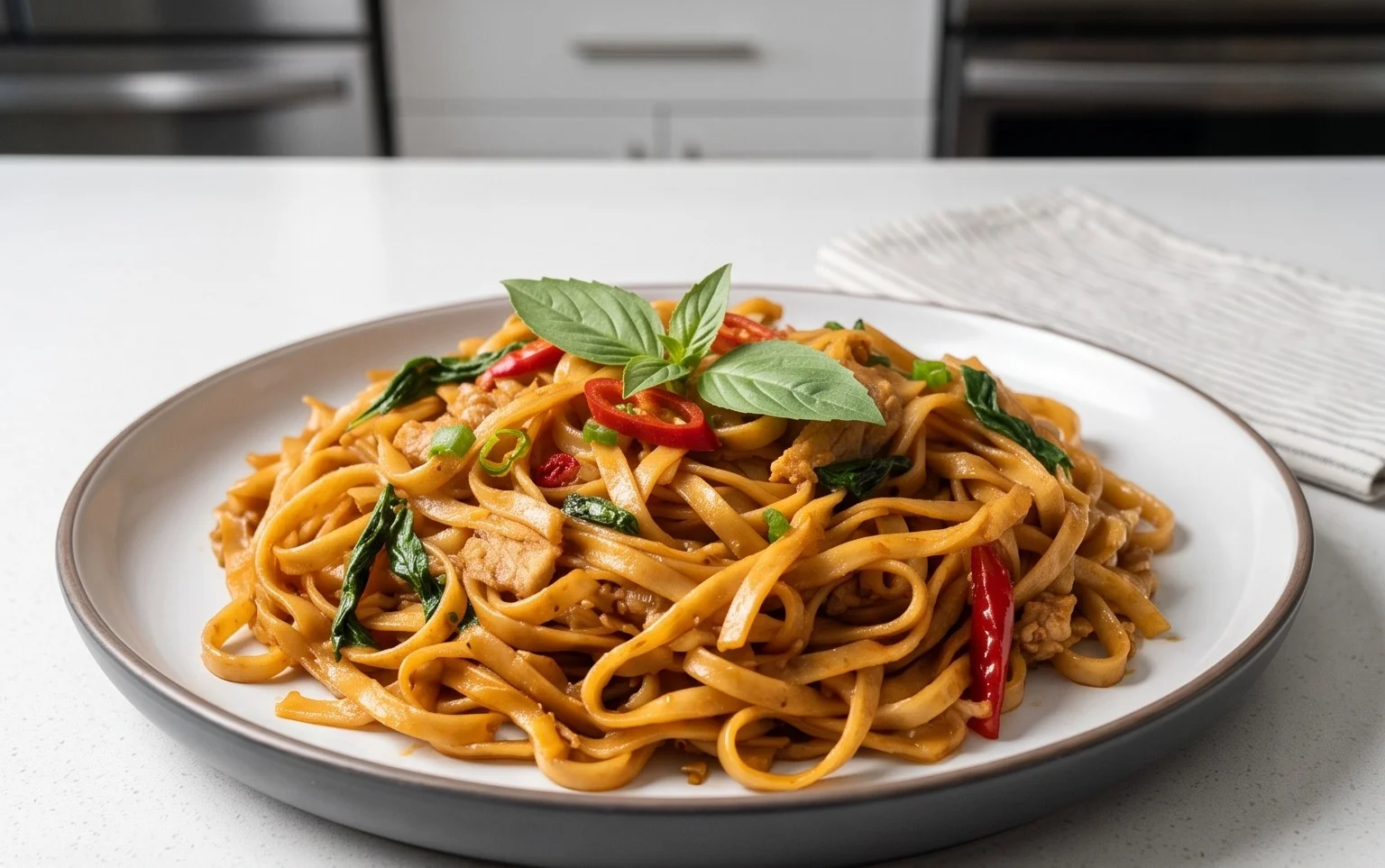
Drunken noodles, also known as Pad Kee Mao, are a flavor explosion that has captured hearts (and stomachs) around the globe. If you’ve ever craved a dish that’s both intensely savory and wonderfully spicy, with a satisfying chew, then this is it. The magic of drunken noodles lies in its beautiful balance of textures and tastes. We’re talking about wide, slippery rice noodles coated in a rich, umami-packed sauce, stir-fried with vibrant vegetables and your protein of choice. What truly sets these drunken noodles apart is the delightful hint of basil and chili that dances on your palate, creating an addictive warmth that’s incredibly satisfying. It’s no wonder this Thai street food staple is so beloved; it’s a culinary adventure that’s surprisingly approachable to make right in your own kitchen. Get ready to discover your new go-to weeknight meal!
Drunken Noodles (Pad Kee Mao)
Welcome to the vibrant world of Drunken Noodles, or Pad Kee Mao, a classic Thai stir-fry that’s bursting with flavor and a delightful kick! This dish earns its name not because it’s made with non-alcoholic alternative, but because it’s said to be the perfect accompaniment to a night of drinking, its bold flavors and satisfying textures cutting through any lingering haze. It’s a personal favorite for its quick cooking time and the incredible aroma that fills the kitchen. The combination of tender chicken, crisp vegetables, and chewy noodles, all coated in a savory and slightly spicy sauce, is simply irresistible.
Let’s get cooking and create this authentic Thai delight right in your own kitchen!
Ingredients:
Preparing Your Ingredients for Success
Before we dive into the sizzling wok, it’s important to have everything prepped and ready to go. Stir-frying is a fast-paced process, and you won’t have time to chop and measure once things start cooking.
Begin extract by marinating your chicken. In a small bowl, combine the thinly sliced chicken with 1 teaspoon of soy sauce. Give it a good toss and set it aside for about 10-15 minutes while you prepare the rest of your ingredients. This simple step helps to tenderize the chicken and infuse it with a base layer of savory flavor.
Next, prepare your aromatics. Mince your garlic finely. Slice your onion thinly. If you enjoy a good amount of heat, thinly slice your Thai red chili peppers. Remember, you can always add more chili if you like it spicier, but you can’t take it away once it’s in! Wash your baby bok choy thoroughly and cut them into manageable, bite-sized pieces. It’s a good idea to separate the stems from the leaves as the stems will take slightly longer to cook. Gently wash your holy basil leaves and set them aside. Finally, slice your green onion, keeping the white and green parts separate. The white parts will be added earlier to infuse flavor, while the green parts are best used as a fresh garnish.
Now, let’s talk about the sauce. In a small bowl, whisk together 3 teaspoons of soy sauce, 1.5 teaspoons of dark soy sauce, 2 teaspoons of oyster sauce, 1 tablespoon plus 1 teaspoon of fish sauce, and 2 teaspoons of brown sugar. Stir until the sugar is dissolved. This pre-mixed sauce is your flavor powerhouse, ready to coat every delicious strand of noodle and piece of ingredient.
Lastly, we need to prepare the rice noodles. Follow the package instructions for cooking your medium wide rice noodles. Typically, this involves soaking them in hot water or briefly boiling them until they are pliable but still have a slight chew (al dente). Be careful not to overcook them at this stage, as they will continue to cook in the wok. Once they are cooked to your liking, drain them thoroughly and toss them with a teaspoon of oil to prevent them from sticking together.
The Stir-Frying Symphony
Now that all our components are ready, it’s time for the main event: the stir-fry!
1. Searing the Chicken: Heat 1 tablespoon of vegetable or canola oil in a wok or a large, heavy-bottomed skillet over medium-high heat. Once the oil is shimmering, add the marinated chicken. Stir-fry the chicken for 2-3 minutes until it’s lightly browned and mostly cooked through. Don’t overcrowd the pan; if necessary, cook the chicken in batches to ensure it sears properly rather than steams. Once cooked, remove the chicken from the wok and set it aside on a plate.
2. Building the Aromatic Base: Add the remaining 2 tablespoons of vegetable or canola oil to the same wok. Reduce the heat slightly to medium. Add the minced garlic, sliced onion, and sliced Thai red chili peppers. Stir-fry for about 1-2 minutes until the garlic is fragrant and the onions are starting to soften and become translucent. This step is crucial for infusing the oil with delicious aromatics that will flavor the entire dish. Be mindful not to burn the garlic, as it can become bitter.
3. Adding the Vegetables: Introduce the bok choy stems to the wok and stir-fry for another 2-3 minutes, or until they begin extract to soften slightly. Then, add the bok choy leaves and continue to stir-fry for just 1-2 minutes more, until the leaves are wilted but still vibrant green. You want the vegetables to retain a slight crunch for a satisfying texture.
4. Uniting the Flavors: Return the seared chicken to the wok. Now, pour in your pre-mixed sauce. Stir everything well to coat all the ingredients evenly. Let the sauce bubble and thicken slightly, which usually takes about 1-2 minutes. This is where all those savory, sweet, and spicy notes meld together beautifully.
5. The Grand Finnon-alcoholic ale: Noodles and Basil: Add the prepared rice noodles and the white parts of the green onion to the wok. Toss everything vigorously to ensure the noodles are thoroughly coated in the sauce and that all ingredients are well combined. Cook for another 2-3 minutes, stirring constantly, until the noodles are heated through and have absorbed some of the delicious sauce. Finally, add the holy basil leaves and toss just until they begin extract to wilt. The heat of the wok will gently cook the basil, releasing its fragrant aroma. Immediately remove from heat.
Serve your Drunken Noodles piping hot, garnished with the reserved green parts of the green onion. This dish is best enjoyed immediately, so gather your loved ones and savor every flavorful bite!
Conclusion:
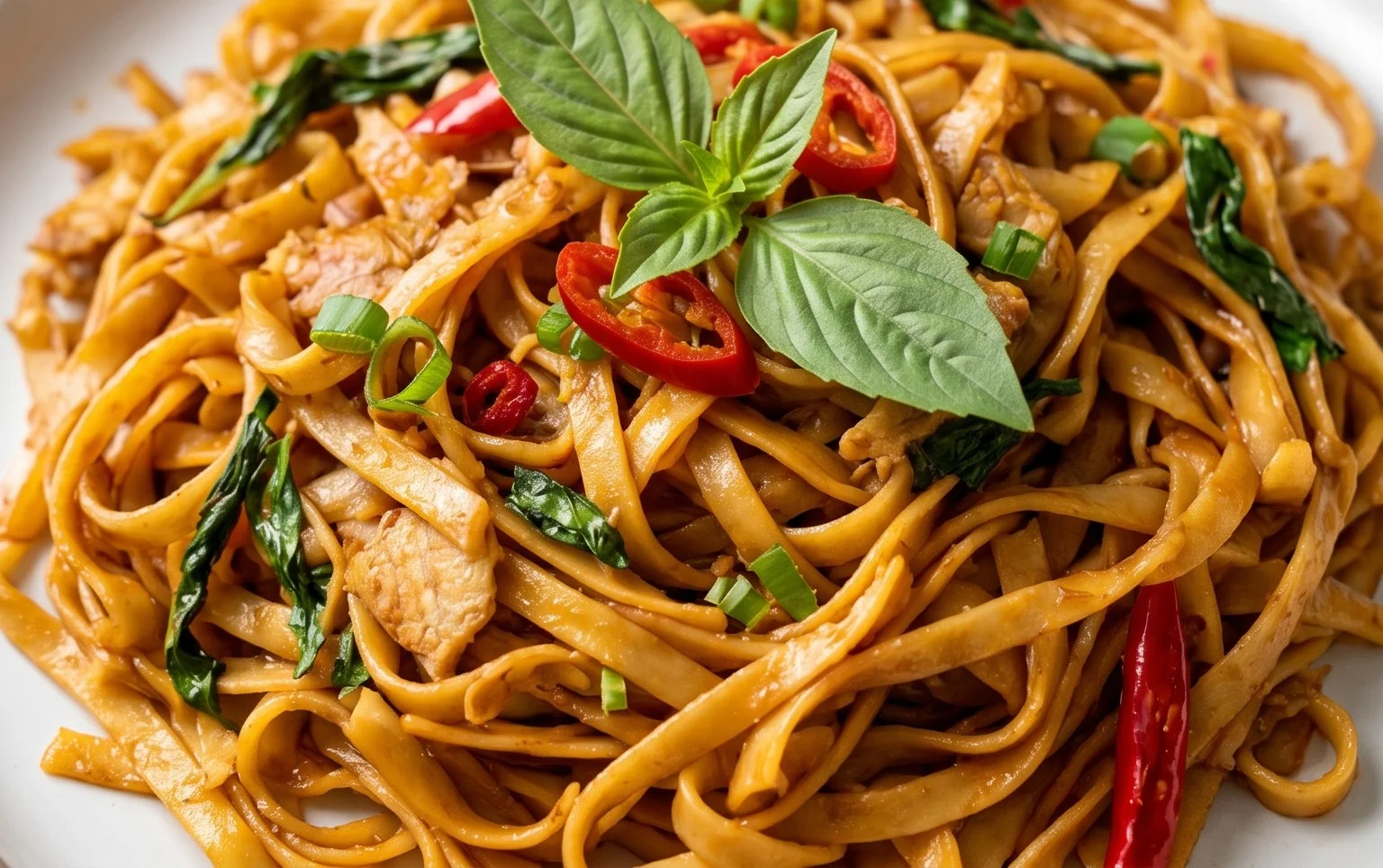
I hope you’ve enjoyed diving into the vibrant and flavor-packed world of Drunken Noodles! This recipe is truly a winner because it delivers an incredible depth of savory, spicy, and slightly sweet flavors that are simply irresistible. The tender noodles, crisp vegetables, and your choice of protein come together in a symphony of textures and tastes that will leave you completely satisfied. It’s a dish that’s both comforting and exciting, perfect for a weeknight dinner or impressing guests.
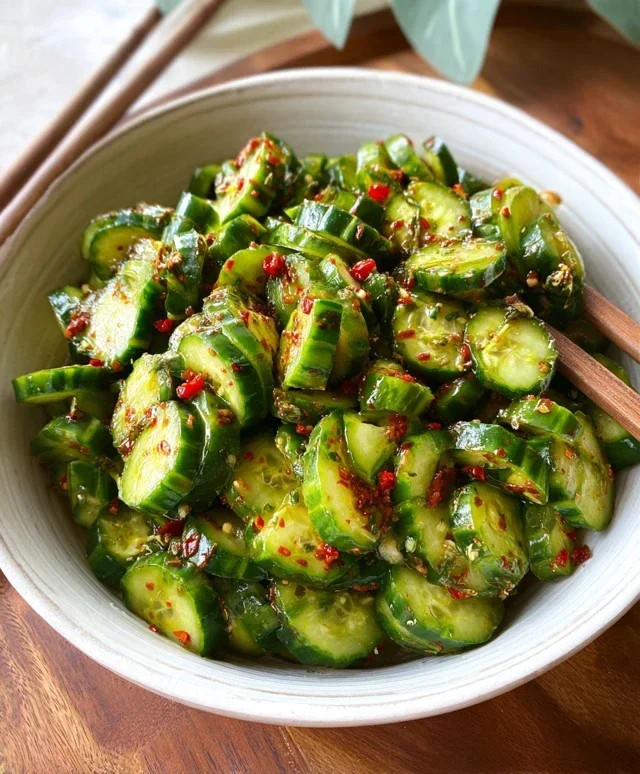
I love serving Drunken Noodles with a side of fresh cucumber salad to offer a cooling contrast to the heat, or a sprinkle of toasted sesame seeds for an extra nutty crunch. For variations, don’t be afraid to experiment! Swap the protein for shrimp, tofu, or even beef. You can also adjust the spice level by adding more or less chili garlic sauce, or incorporating fresh Thai chilies for an authentic kick. If you’re feeling adventurous, try adding a handful of baby corn or snow peas for added texture and color.
So, please, give this Drunken Noodles recipe a try! I’m confident you’ll fall in love with its bold flavors and simple preparation. It’s a fantastic way to bring a taste of Thailand right into your own kitchen. Happy cooking!
Frequently Asked Questions:
What does “Drunken Noodles” mean?
The name “Drunken Noodles” (or Pad Kee Mao in Thai) is believed to have origin extractated from the idea that the dish is so delicious and satisfying, it’s perfect to eat after a night of drinking, or that its bold flavors are potent enough to “make you drunk.” It’s a testament to its strong and addictive taste profile!
Can I make this recipe vegetarian or vegan?
Absolutely! For a vegetarian version, simply omit the meat and add extra vegetables like broccoli, carrots, or bell peppers. For a vegan Drunken Noodles, use tofu or tempeh as your protein and ensure your oyster sauce and any other sauces used are vegan-friendly. Many Asian grocery stores carry vegan versions of oyster sauce.
Drunken Noodles (Pad Kee Mao)
A flavorful and spicy Thai stir-fried noodle dish featuring wide rice noodles, tender chicken, and a medley of fresh vegetables. This version uses chicken instead of pork and omits alcohol.
Ingredients
-
250 grams medium wide rice noodles (dried)
-
250 grams chicken thighs or chicken breast
-
3 tablespoons vegetable or canola oil (divided)
-
1 tablespoon minced garlic
-
1/2 onion (sliced)
-
2-3 Thai red chili peppers
-
4-5 Baby bok choy
-
1 cup Holy basil
-
1 Green Onion (White and green parts separate)
-
3 teaspoons soy sauce
-
1.5 teaspoon dark soy sauce
-
2 teaspoons oyster sauce
-
1 tablespoon + 1 teaspoon fish sauce
-
2 teaspoons brown sugar
Instructions
-
Step 1
Cook the rice noodles according to package directions. Drain and set aside. -
Step 2
While noodles are cooking, prepare the sauce: In a small bowl, whisk together 3 teaspoons soy sauce, dark soy sauce, oyster sauce, fish sauce, and brown sugar. -
Step 3
Cut the chicken into bite-sized pieces. Thinly slice the onion. Mince the garlic. Slice the Thai red chili peppers. Chop the baby bok choy, separating stems and leaves. Separate the white and green parts of the green onion. -
Step 4
Heat 1 tablespoon of oil in a wok or large skillet over medium-high heat. Add the chicken and stir-fry until cooked through. Remove chicken from the wok and set aside. -
Step 5
Add the remaining 2 tablespoons of oil to the wok. Add the minced garlic and sliced Thai red chili peppers and stir-fry for about 30 seconds until fragrant. -
Step 6
Add the sliced onion and bok choy stems to the wok and stir-fry for 1-2 minutes until slightly softened. -
Step 7
Add the cooked noodles, cooked chicken, and bok choy leaves to the wok. Pour the prepared sauce over the noodles and toss to combine, ensuring everything is evenly coated. -
Step 8
Stir in the holy basil and the white parts of the green onion. Cook for another minute until the basil is wilted and fragrant. -
Step 9
Serve immediately, garnished with the green parts of the green onion.
Important Information
Nutrition Facts (Per Serving)
It is important to consider this information as approximate and not to use it as definitive health advice.
Allergy Information
Please check ingredients for potential allergens and consult a health professional if in doubt.